Showing posts with label matsuri. Show all posts
Showing posts with label matsuri. Show all posts
Saturday, August 18, 2012


Tuesday, May 1, 2012
Takaoka Mikurumayama Matsuri
During the Takaoka Mikurumayama Matsuri, 7 richly adorned Mikurumayama (御車山, floats) are drawn solemnly around the city according to the ancient customs.

Monday, October 9, 2006
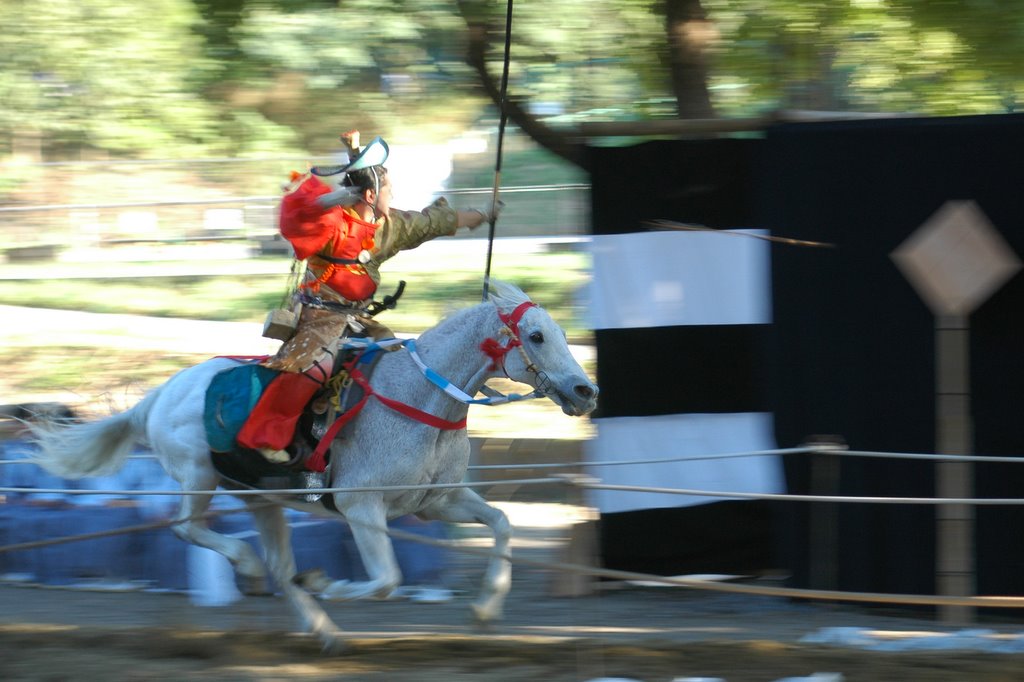
Takadanobaba Yabusame (高田馬場流鏑馬)
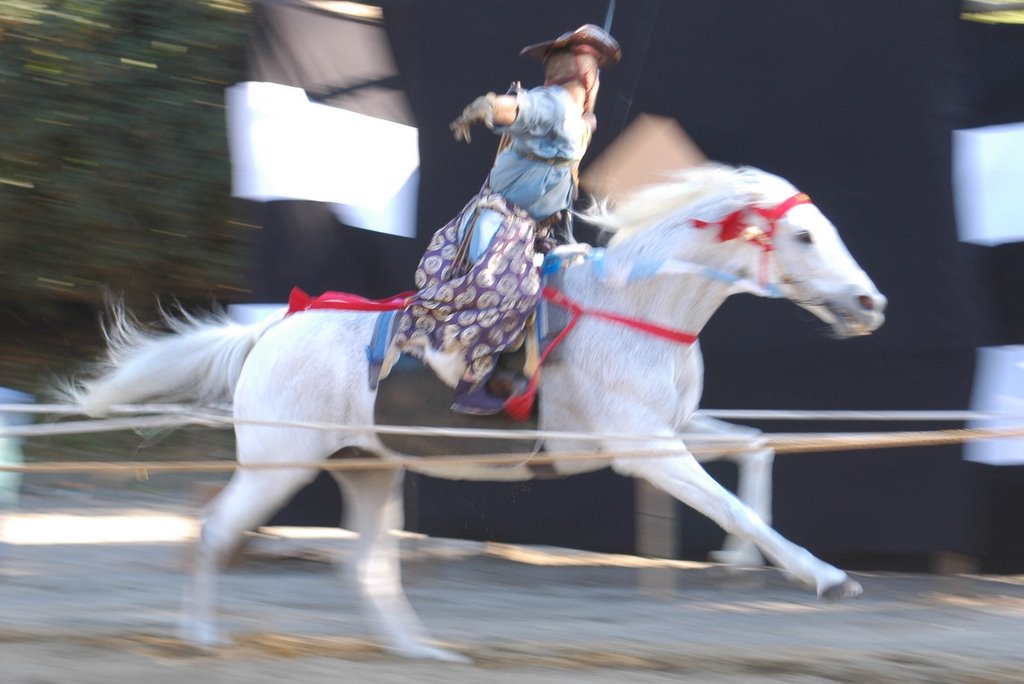
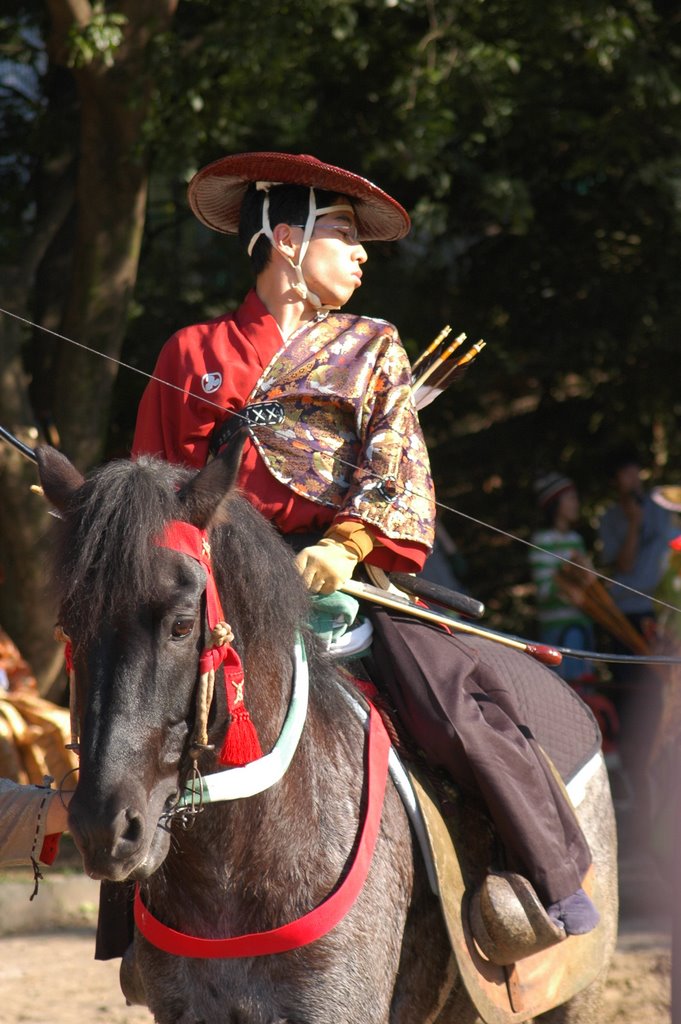 Yabusame (流鏑馬) is spectacular rite of mounted archery performed by riders on horseback dressed in the hunting garb of samurai. While speeding along at full gallop, the archers release the reins and fire arrows at three targets. The rite is carried out to ask for bountiful harvests and peace in the world.
Yabusame originated in the 6th century. To keep the domestic and external affairs of the state from falling into disorder, and to ask for the peace, the emperor prayed at a shrine and mounted on a horse, shot at three targets. In the Heian Period (794-1192) the event flourished as a court ritual.
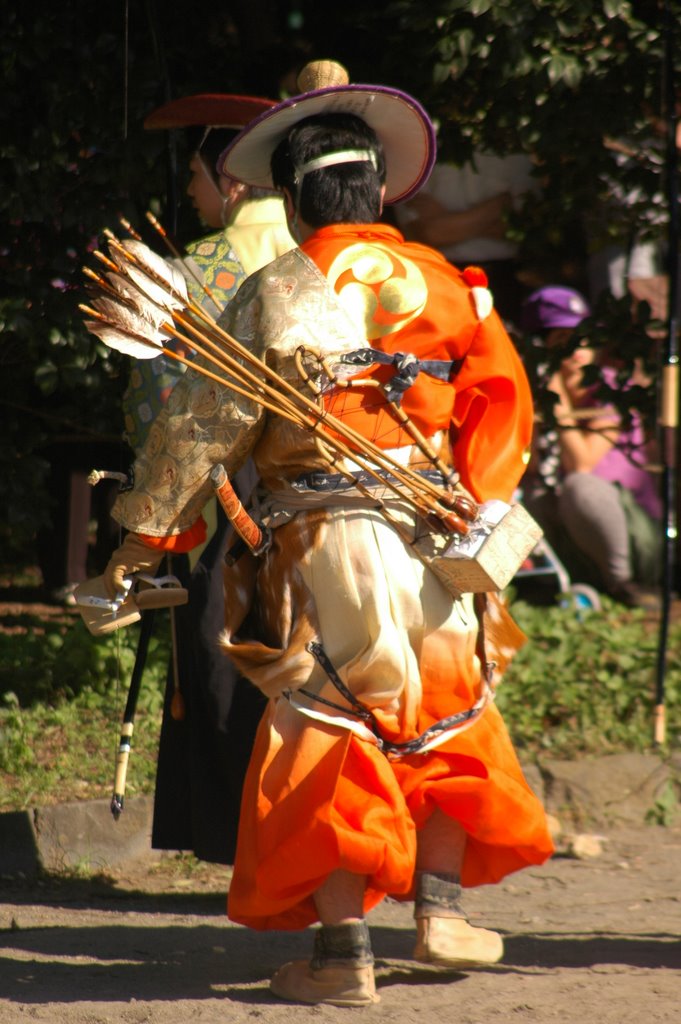 The Kamakura Period (1192-1338) marked the start of samurai rule in Japan. When government functions were transferred to Kamakura (present day Kamakura City in Kanagawa Prefecture) in the end of the 12th century, the Yabusame rite was performed as the coral Tsurugaoka Hachiman Shrine, which would became an annual official ceremony. After this, the rite spread to the whole country and was widely performed.
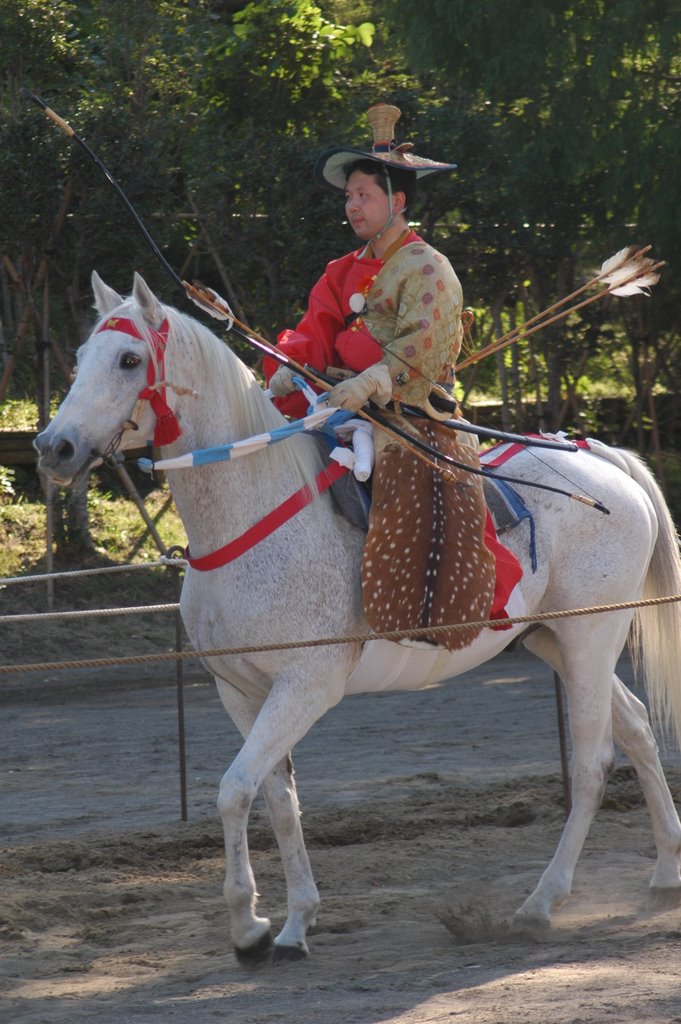 The Yabusame rite, after being in full flourish in the Kamakura Period, temporarily faded, but since the 18th century it has been making a comeback and has survived up to the present day.
These days, in several different styles, the rite is carried out at locations all over the country. Among these the ancient tradition of performing the rite at Tsurugaoka Hachiman Shrine in Kamakura and the newer way of performing the revived rite at Takadanobaba in Tokyo (in these pictures) are particularly well known.
 First of all, at the sound of a drum, the archers and their attendants line up at the front of the shrine. According to tradition, all movements are proceeded at the signal of drum beats and motion of a fan. Three targets, each a square of hinoki (Japanese cypress) wood measuring 54.5 cm (about 22 in.) along each edge, are set up at intervals beside an approximately 218 m (about 240 yd.) track. In the rite, the mounted archers release the reins and, while riding at full gallop, try to hit all three targets.
Let the game begin! ^_^

Saturday, July 29, 2006
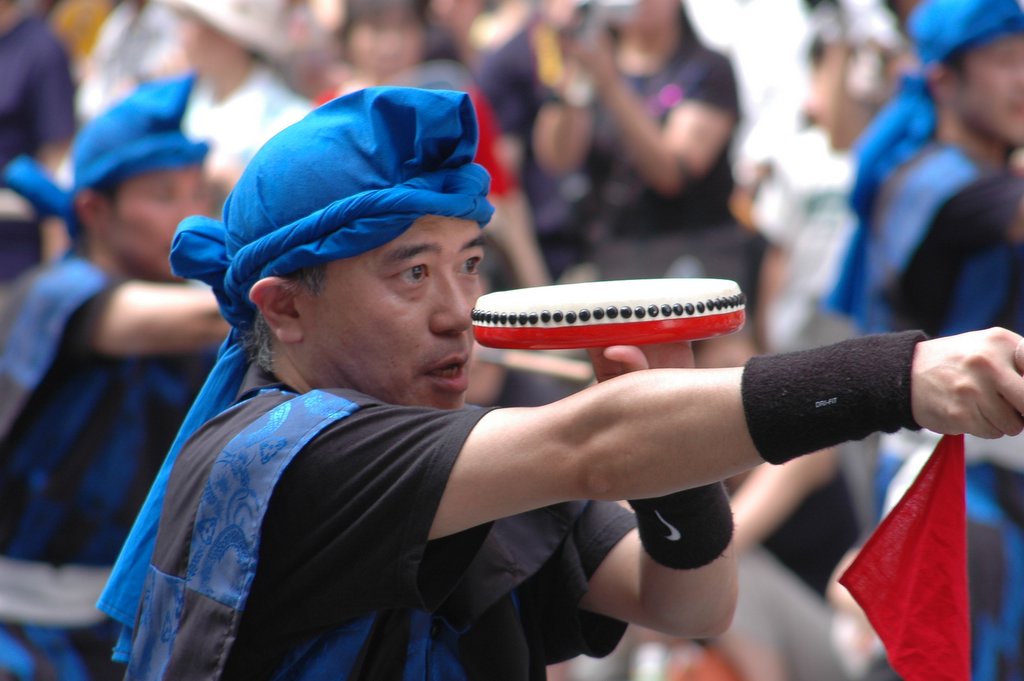
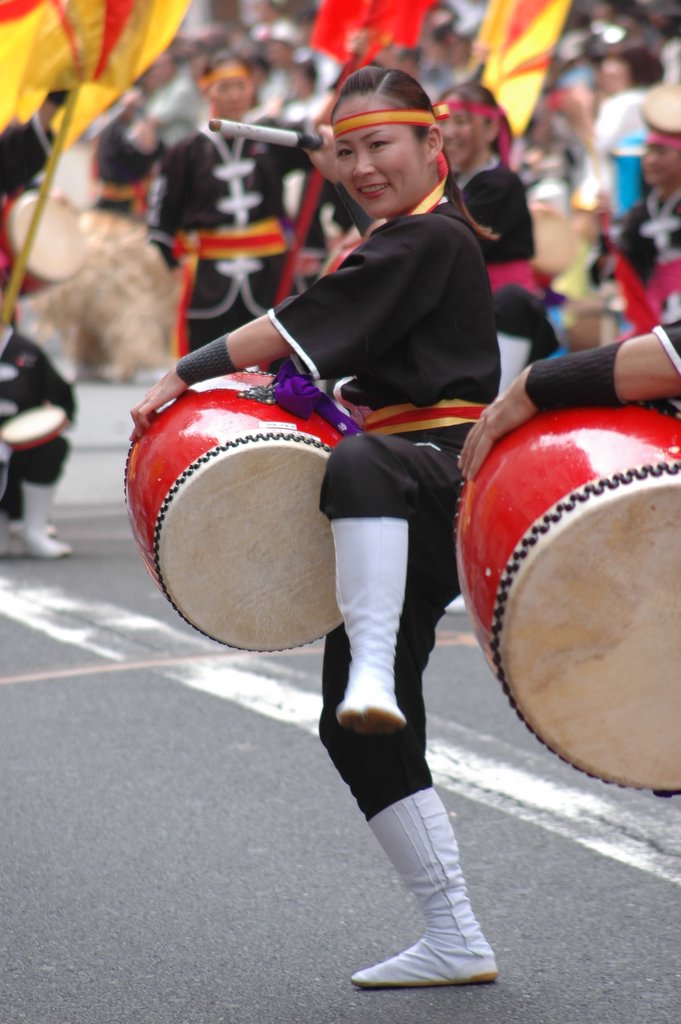
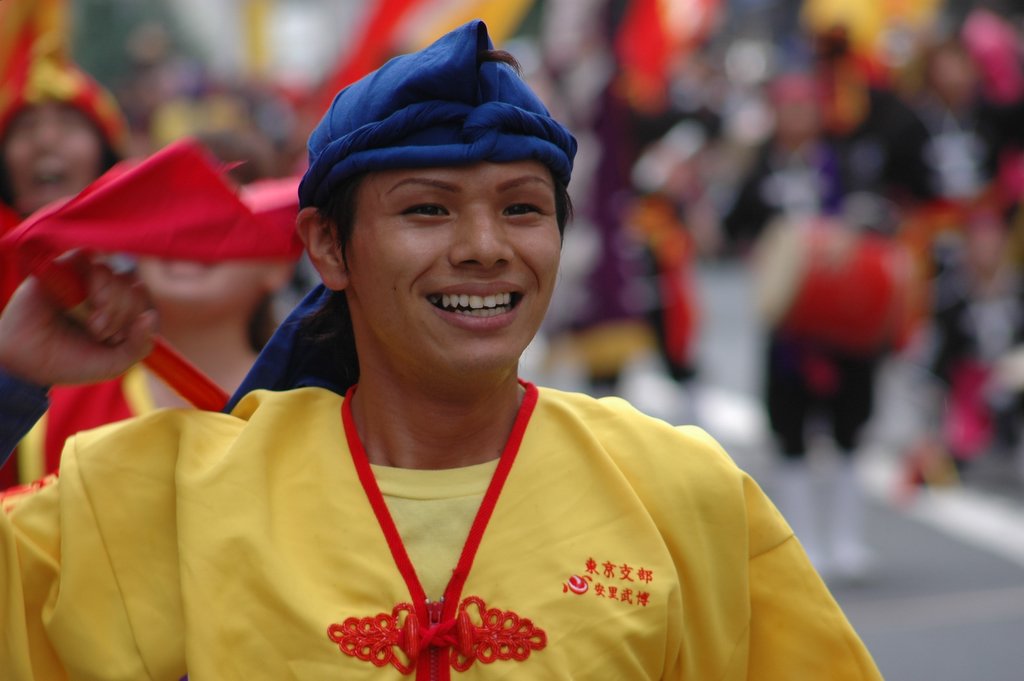
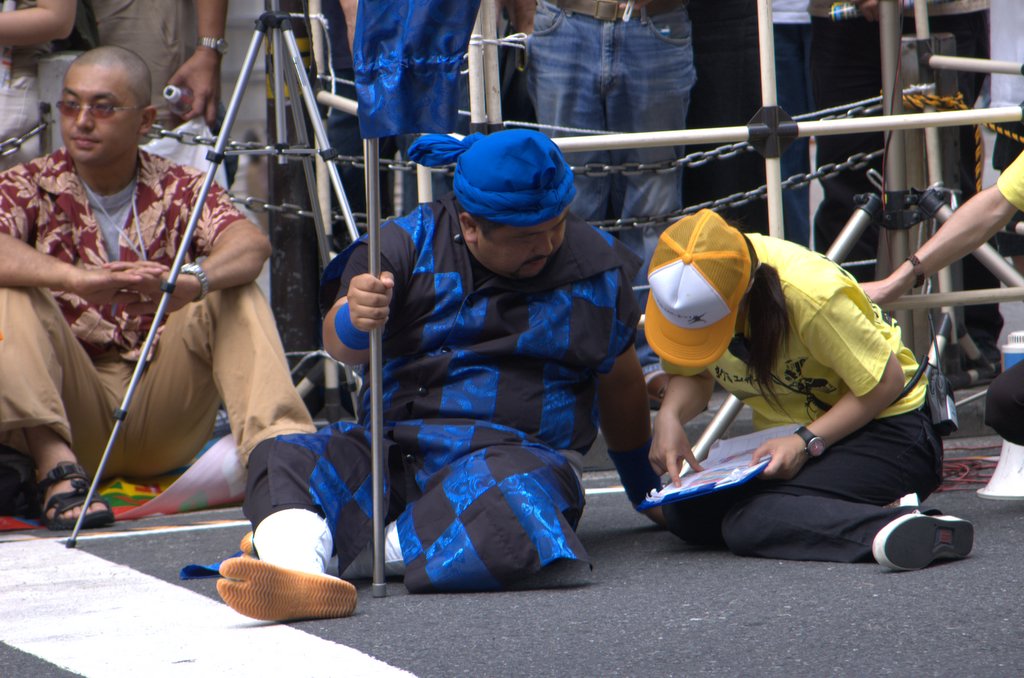
Another festival in Shinjuku

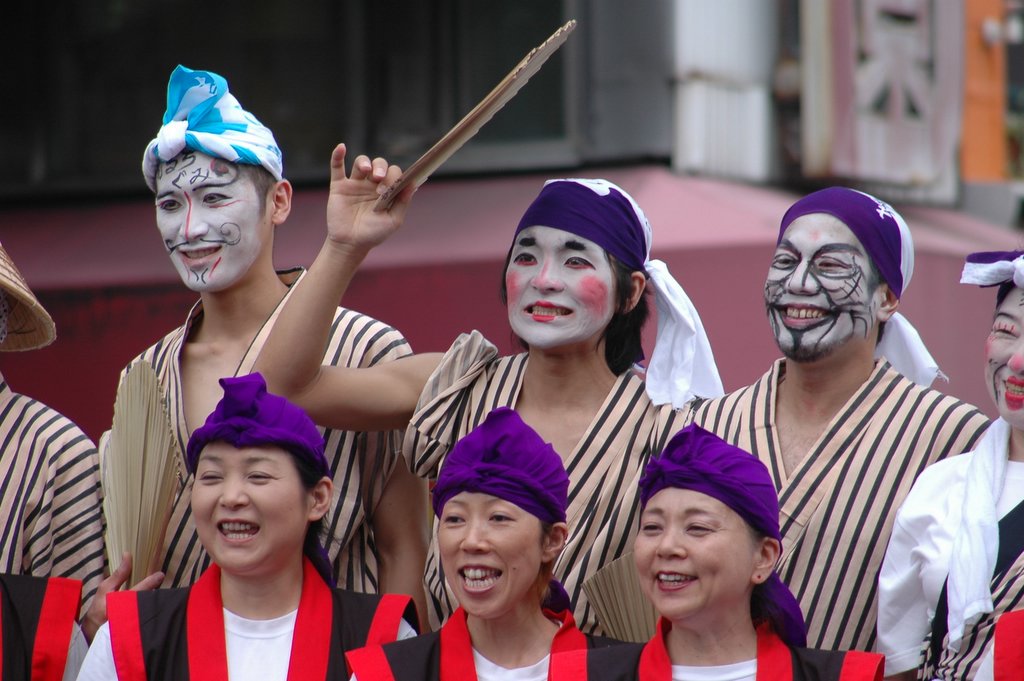
A group of people gathered for the official picture before the parade in 新宿通り。
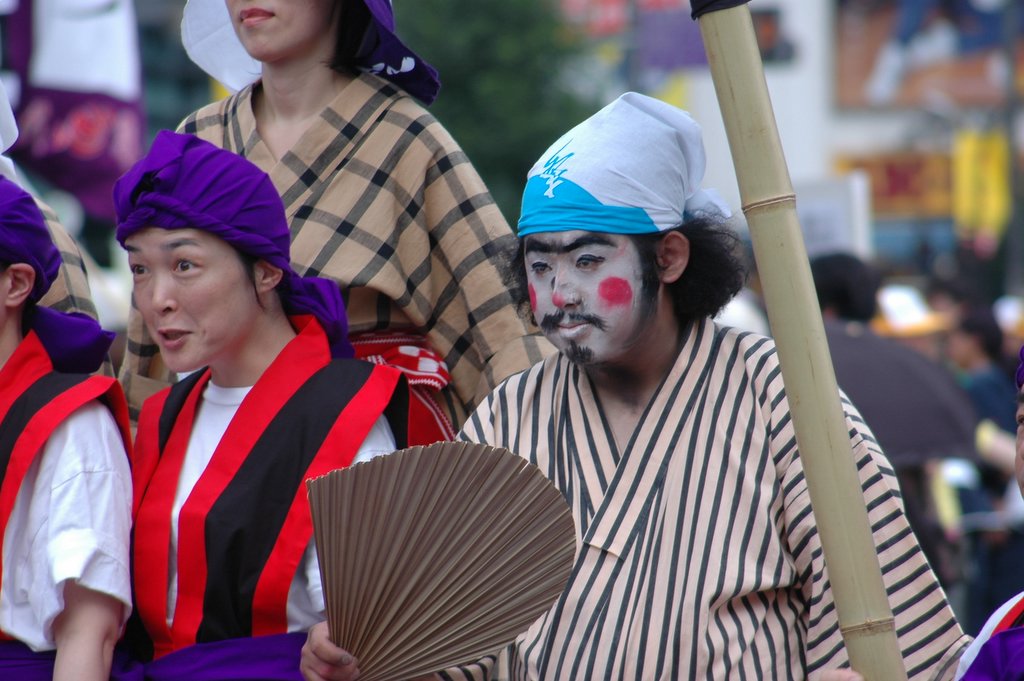
Interesting faces around here, isn't it? ^_^

Saturday, July 15, 2006

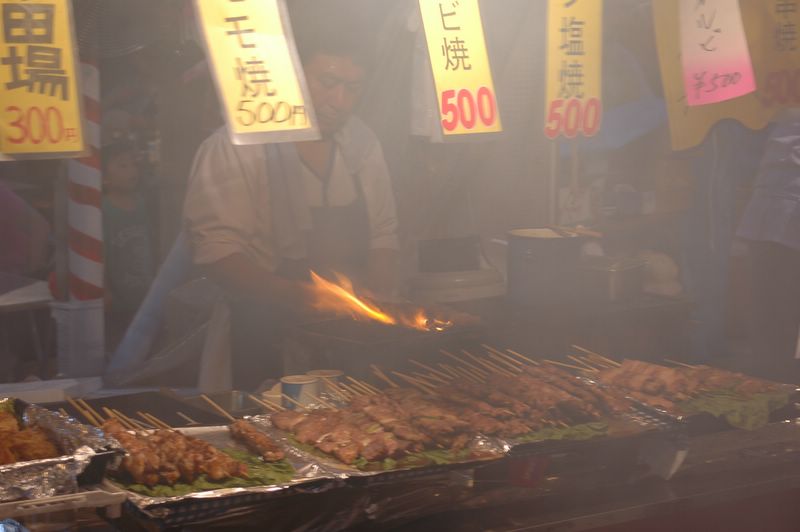
Mitama Matsuri (みたままつり)

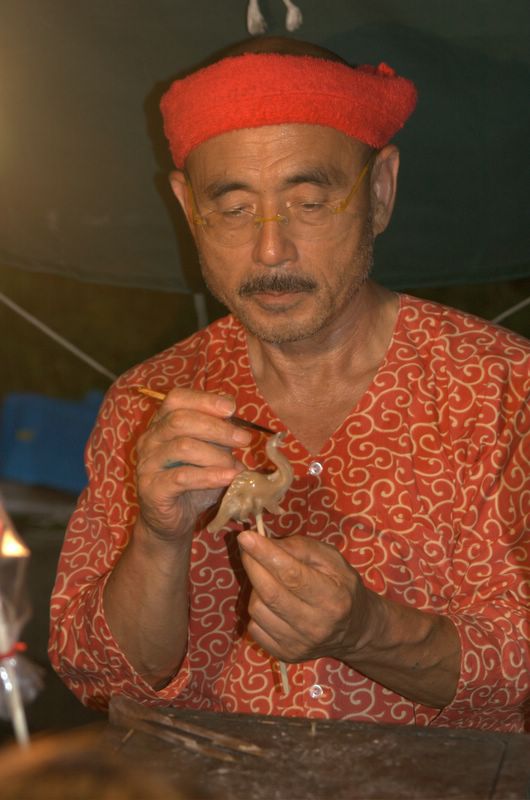
Mitama Matsuri (みたままつり), literally meaning soul festival, is a ceremony started by the Yasukuni Shrine (靖国神社) after WWII to console more than 2,466,000 souls that died and have been enshrined in this shrine since then. More than 300,000 visitors from within and outside of Tokyo come to appreciate the seasonal tradition apart from the religious side, as thousands of Kagebombori paper lanterns ethereally brighten the summer Tokyo sky in soft orange and white.
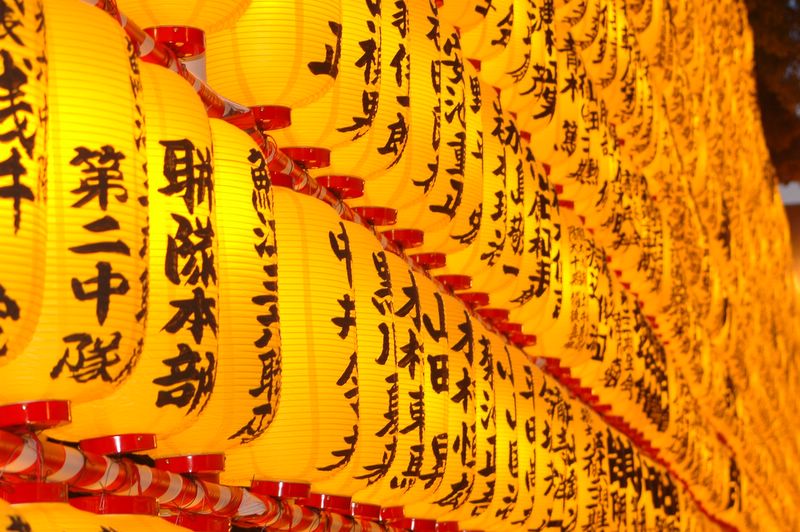
Several thousands of lanterns (about 30'000) are displayed, making the night view extremely nice and suggestive.

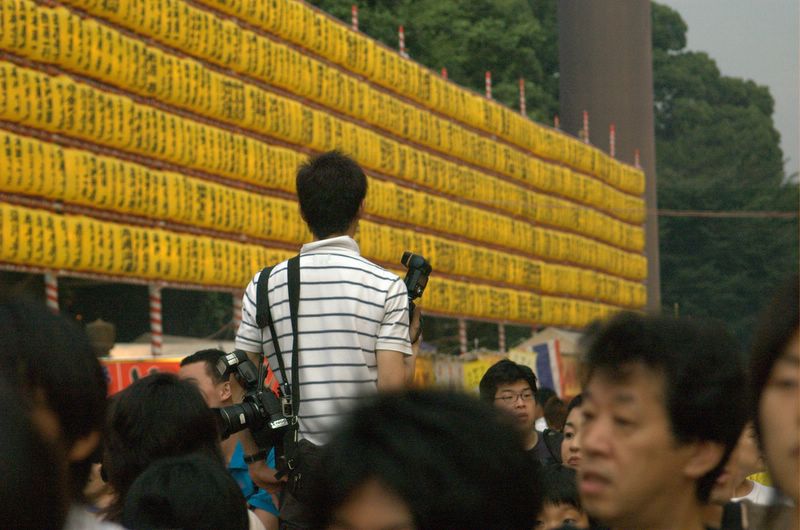
You need to find a way to stand up if you want to take a good picture of the lanterns ^_^
Friday, March 3, 2006
Hina-no-sekku - 雛の節句
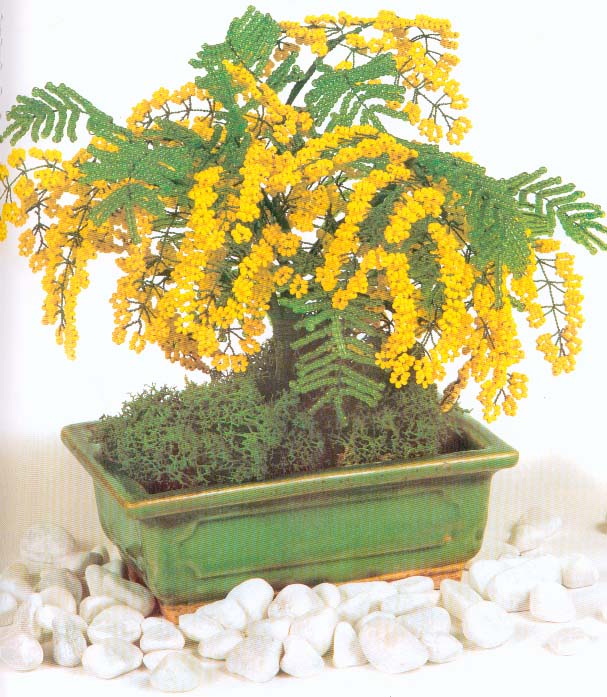 In Japan there is no celebration of the Women's Day (which, in my opinion, completely lost its original meaning. There is no sense in celebrating it, but this would be another story). Instead, they celebrate "Doll's Day" (Hina-no-sekku, 雛の節句) on March 3rd.
On this day, families with girls wish their daughters a successful and happy life. Dolls are displayed in the house together with peach blossoms. The doll festival has its origin in a Chinese custom in which bad fortune is transferred to dolls and then removed by abandoning the doll on a river. On Hina Matsuri, sweet sake is drunken and chirashi sushi is eaten.
PS: thank you sam for the beautiful Minosa bonsai.
Saturday, August 20, 2005
40th Azabu-juban Noryo Matsuri

The Azabu-juban Noryo Matsuri (麻布十番納涼祭り) is back again!
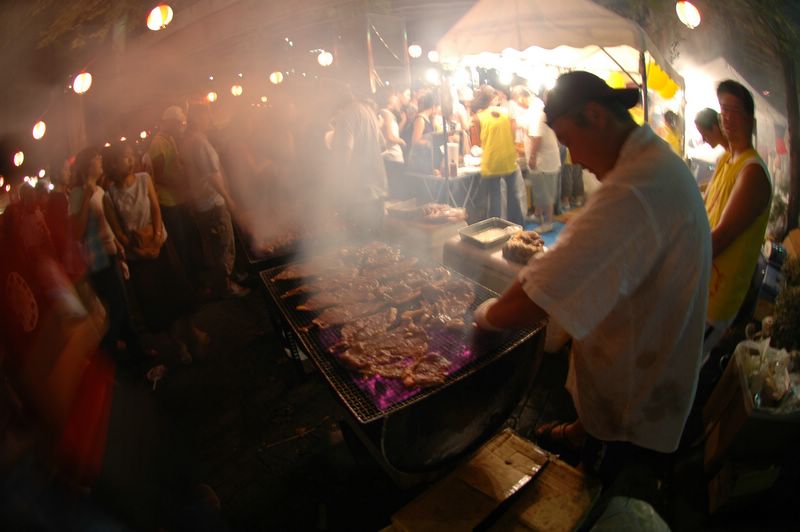
 About 1'000'000 people (more? less? I do not know, but they were a lot) crowed the streets.
In addition to the rows of old-timey night stalls set up by local shops, there were many entertaining programs such as festive music performance, traditional vaudeville and antique fair.
The famous international bazaar provided well-known products and special food of many countries supported by a number of embassies. Various events took place at the Stage 10 Bang, including street performance, samisen, jazz Hawaiian and charity concert.

Subscribe to:
Posts (Atom)