Sunday, December 21, 2003

Shibuya (渋谷区; -ku)

Shibuya (渋谷区; -ku) is a special ward located in Tokyo, Japan.


The ward was founded on March 15, 1947. As of 2003, the ward has an estimated population of 201,524 and a density of 13,337.13 persons per km?. The total area is 15.11 km2.

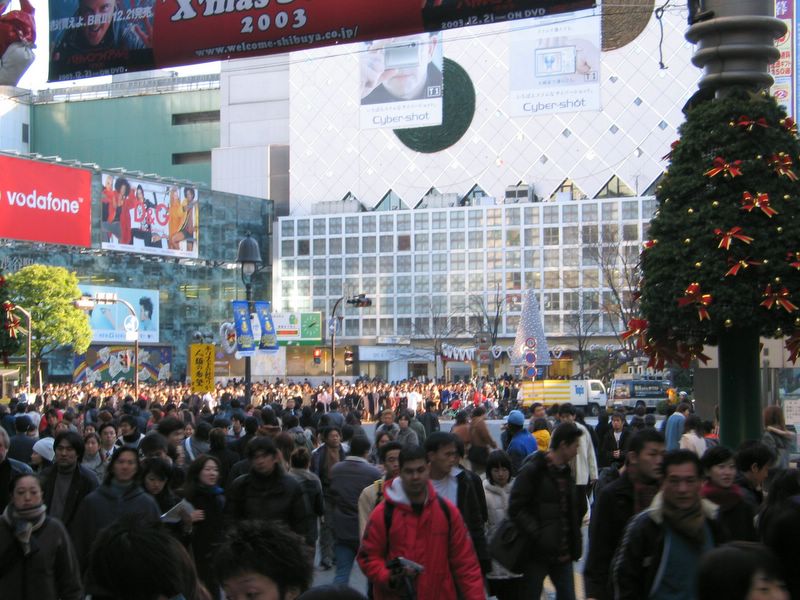
Largely a commercial and entertainment district, Shibuya has achieved great popularity among young people in the last 30 years. There are several famous fashion department stores in Shibuya, but the most famous one is called "Shibuya 109" (ichimarukyu).
This department store is very popular among young people, especially teens, and it is famous as the origin of the kogal subculture. The fashion scene extends northwards to Harajuku, and Shibuya is increasingly becoming a fashion trendsetter for all Asia.


Shibuya is also famous for its intersection crossing, reportedly the world's busiest, which is located in front of Shibuya Station and uses a four-way stop to allow pedestrians to inundate the entire intersection (this is called a "pedestrian scramble", スクランブル交差点 sukuranburu kousaten, or the Barnes Dance after traffic engineer Henry Barnes). Furthermore, the crossing is famous for three large TV screens, which are on the buildings facing the crossing. The 2003 movie Lost in Translation featured a scene at the crossing. The plaza in front of the station is known as Hachiko (ハチ公) Square, after a loyal dog who waited here for its master for years on end and is now commemorated with a diminutive statue.
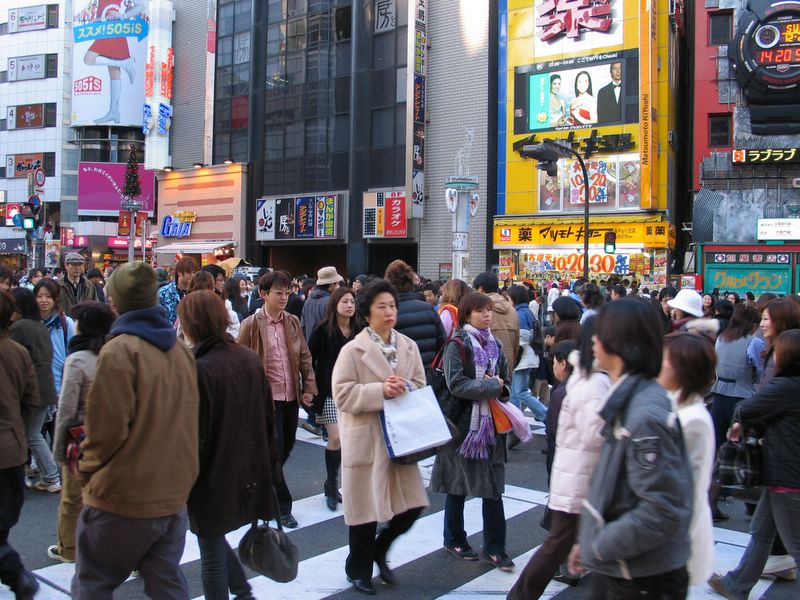

To the north of Shibuya station is Dogenzaka (道玄坂), offering entertainment for a more mature audience with many nightclubs and love hotels.


Saturday, October 25, 2003

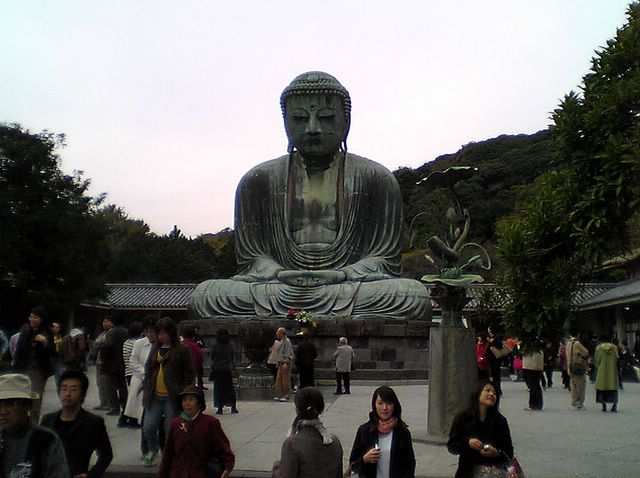
Great Buddha of Kamakura


The Great Buddha (大仏) of Kamakura is a bronze statue of Amida Buddha that is located on the grounds of the Kotokuin Temple. With a height of 13.35 meters, it is the second largest Buddha statue in Japan (the largest is located in the Todaiji Temple in Nara).

The statue was cast in 1252 and originally located inside a large temple hall. However, the temple buildings were washed away by a tsunami tidal wave in the end of the 15th century, and since then the Buddha stands in the open air.

Sunday, September 14, 2003

Interesting bug in my PowerShot G1


This is the first sign that my glorious, old PowerShot G1 is getting crazy. I shoot the picture you can see in the upper half of this image (it's a strange signboard for a dentist), but for some strange and unknown reason the lower half became a picture I took more about one month ago. Strange, isn't it?

Saturday, September 6, 2003

Omatsuri - お祭

There are countless local festivals in Japan because almost every shrine has its own one. Most festivals are held on an annual basis and celebrate events like the coming of the farming season, the harvest, or they commemorate historical events. A festival may be held over several days.


There are countless local festivals in Japan because almost every shrine has its own one. Most festivals are held on an annual basis and celebrate events like the coming of the farming season, the harvest, or they commemorate historical events. A festival may be held over several days.


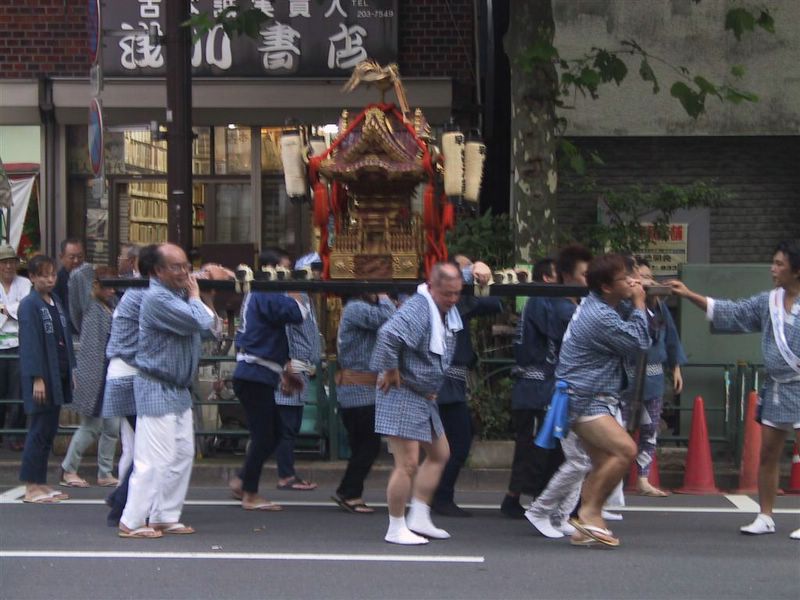
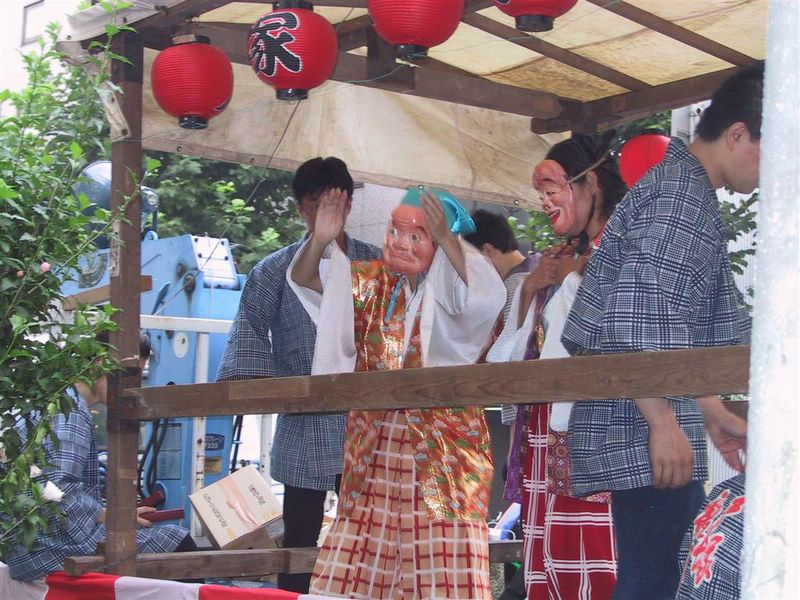
An important element of Shinto festivals are processions. The kami (Shinto "gods") are carried through the streets in mikoshi (palanquins) by people in special dresses. They are accompanied by decorated floats (kasahoko). On these floats, other people may play the drum, flute and other traditional Japanese instruments. Other floats may carry dolls. Every festival has its own characteristics.

Another element of the festivals are street stalls featuring food, toys and games.

Sunday, August 3, 2003

Clocks in Tokyo


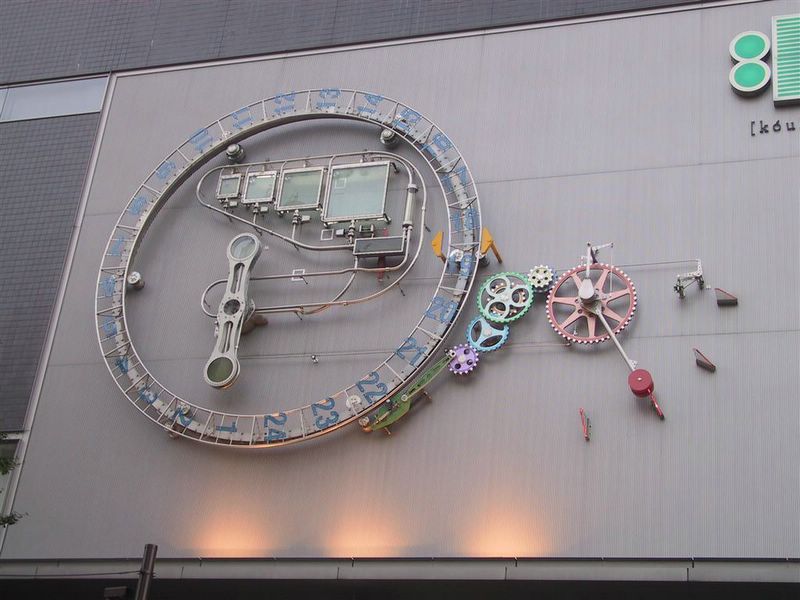
In Tokyo there are a lot of strange clocks, all around the city. This one, for example, was near Yoyogi park, in the front of a building.
The picture doesn't give the idea of the size, this one is more than 3 meters tall.

Saturday, August 2, 2003

おじさん vs おぢさん

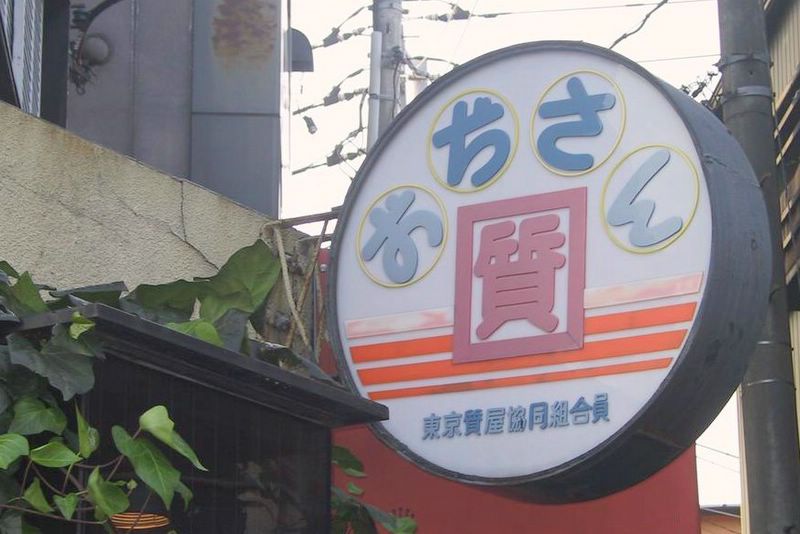
Near Sendagi (千駄木) there is a famous pawn shop called Ojisan (おぢさん).


There is an interesting story about this shop. In fact, usually the word oji-san (meaning father, uncle, or simply mister) is written おじさん, but in this case it is written おぢさん. The pronunciation - at least as far as I am concerned - is exactly the same, so all the children in that area learned that oji-san is written おぢさん (odi-san). Well, long time ago there was a new teacher coming to an elementary school in this area. S/he was so surprised and so upsed that all the students couldn't write おじさん correctly! At least until someone explained her/him the reason.
Interesting, isn't it?

Hard is the life of a motard ^_^

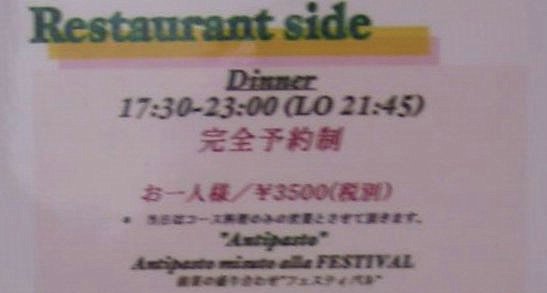
another example of ItaRian


The text in the picture is not clear, unfortunately, but the ItaRian part says:

"Antipasto"
Antipasto misuto alla Festival

"Primo piatto"
Linguine al ragu di pesce con lucola
Penne arabiatta con achilleo e trippa

"Secondo piatto"
Scampi e pesce spada all gligrigla
Angello al sale

Funny, isn't it?

Thursday, July 31, 2003

Going out for a drink...


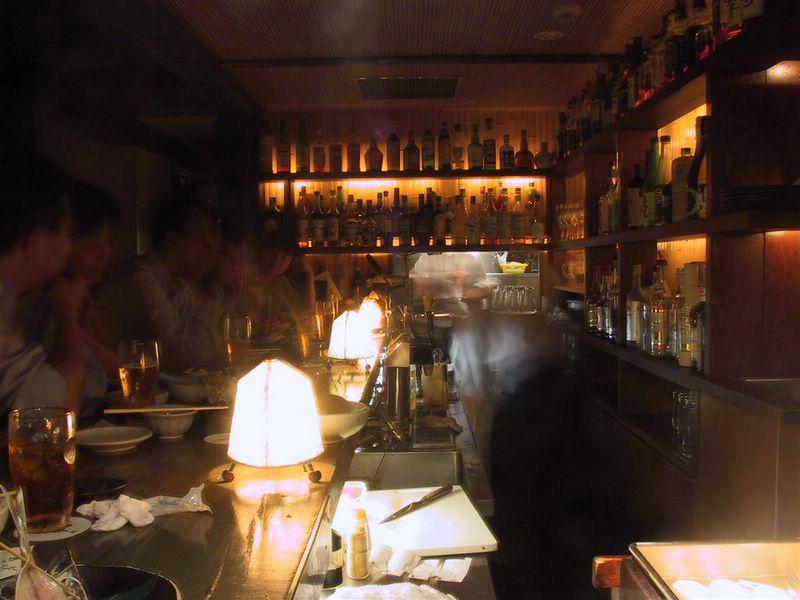
Ginza is a nice place to go out for a drink. Lots of nice 居酒屋 (Izakaya, Japanese-style pubs) in which you can enjoy some food but - more important of all - some 酒 (sake).
美味しいよ!

Sunday, July 27, 2003

Yukata -浴衣 ゆかた

The yukata is a japanese summer kimono worn by both men and women. The name yukata comes from the word "yu" (bath, 浴) and "katabira" (under clothing).
Thousands of years ago, Court Nobles wore linen "yukatabira" which were draped loosely after taking a bath. It gradually became worn by japanese warriors and then by the general public when the sophisticated japanese public bath became popular.
Today, the traditional japanese yukata is widely used for everything from festivals, ryokan, summer daily wear to simple night attire.
The girl here, for example, was going to see the 隅田川花火大会.

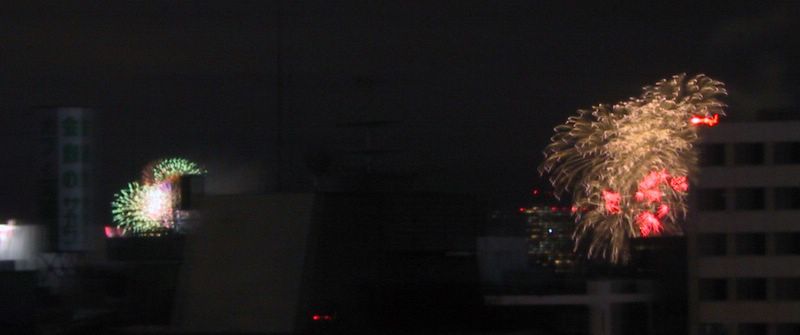
Sumida river fireworks festival - 隅田川花火大会


Sumidagawa Hanabi taikai (隅田川花火大会) is th most traditinal Hanabi taikai in Tokyo. But it use under 5 inches shell only for safety.

In this case, I took the picture from the terrace of the parents of a friend of a friend of mine, in Kanda. Not the best place to see the fireworks, but for sure one a good dinner ^_^

Thursday, July 24, 2003

Himeji Castle - 姫路城


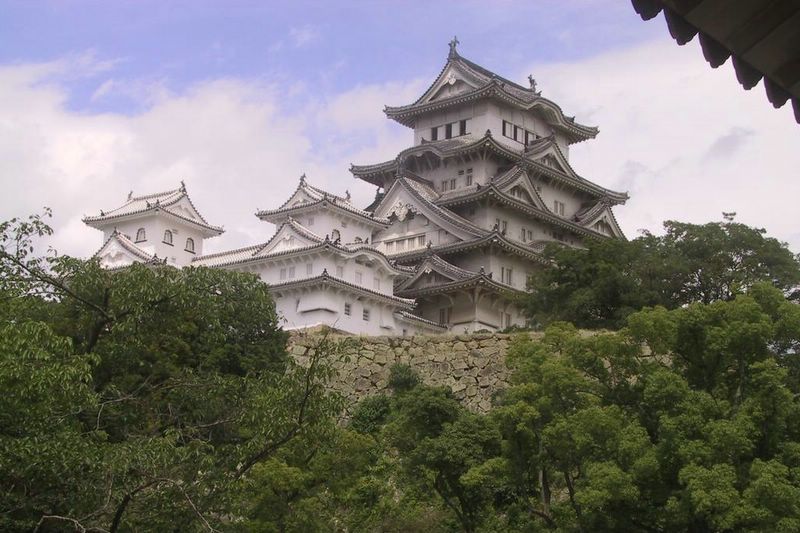
This Himeji Castle (姫路城), otherwise called 白鷺城 (Shirasagijou, i.e. White Heron Castle), is situated in Himeji City of Hyogo prefecture about 50 km west of Osaka. It is about 370 years since Himeji Castle was constructed in its present shape. This is the only excellent castle which architecturally represents Japanese culture and, at the same time, has handed down its original design at the time of construction.

Looking up at Himeji Castle, not a few people might think about this unique Japanese architectural beauty that was not influenced either by Chinese or Western culture, despite the remains of the age of civil wars.

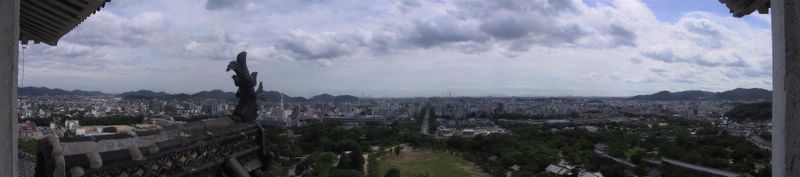
This is a panoramic view from the top of the castle:


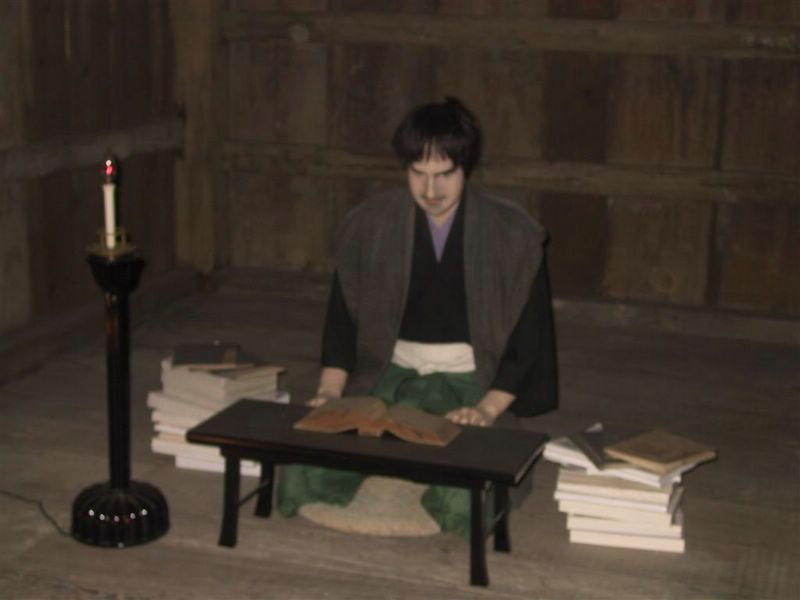
Himeji Castle is also known because Miyamoto Musashi, probably the most famous swordsman in Japan, was confined in by the famous Zen prelate Takuan in order to cure Musashi's violent temper, for three years, with appropriate books to train his mind.

Tuesday, July 22, 2003

神戸


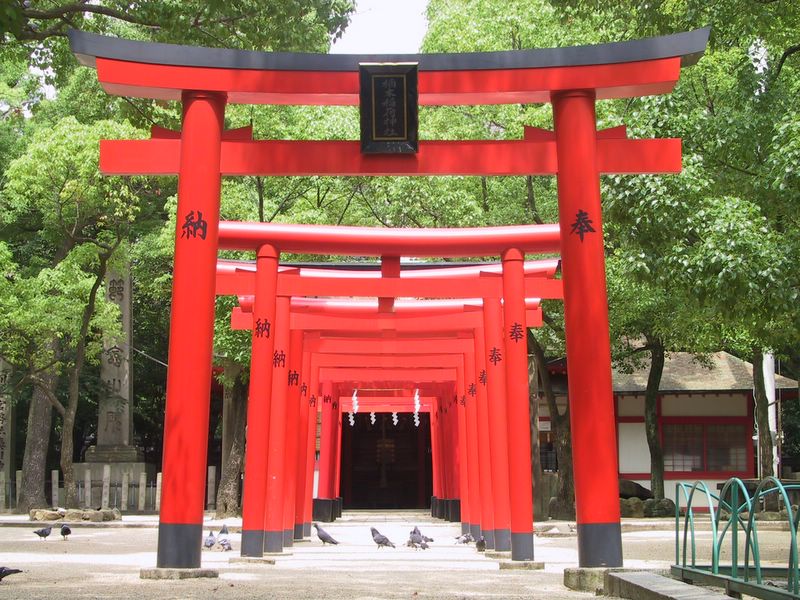
The entrance of a temple in Kobe.

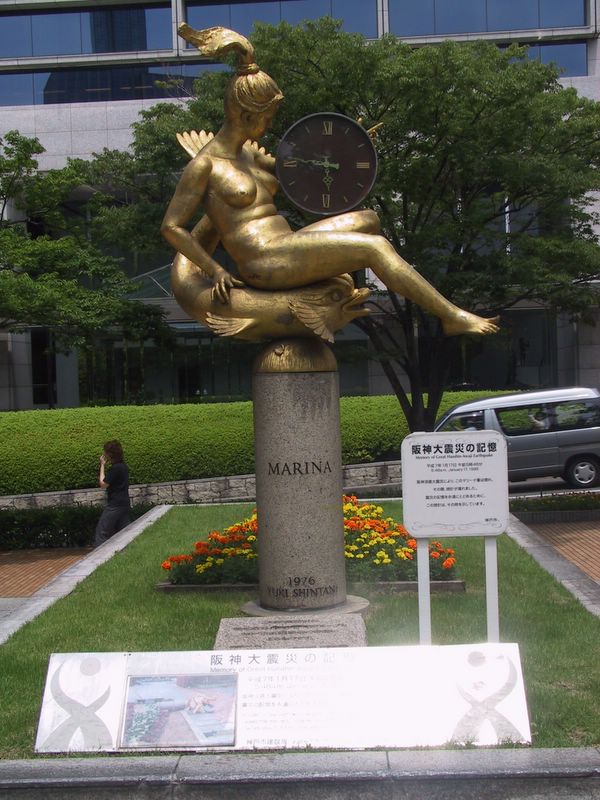
January 17th, 1995, at 5:46

The picture here is a statue with a clock who stopped to run during the big kansay earthquake of 1995

January 17th, 1995, at 5:46 in the morning when everybody was still in bed, from this moment, Kansai area turned into a burning hell. In just half a minute, the monster had broken down everything in the city. Houses, buildings, factories, schools, shops, roads, and railroads, everything in the city was gone. All you could see was a red sky filled with fire, and smoke coming out from the buildings. The monster's name was an M 7.2 earthquake. This tragedy had happened so quickly and unconsciously that no one could realize what had happened and thought this must be a dream at first. But this was not any dream. This reality made more than 6,000 dead people and 300,000 homeless people. People were crying and did not know what to do.